
The layers you never see decide everything.
Drafts, cold rooms, condensation, high bills — they’re all decided by a building’s control layers: water, air, vapour, thermal. Boulder & Beam diagnoses homes as whole systems and fixes the causes, not the symptoms — across Owen Sound & Grey-Bruce.
Symptoms upstairs, causes in the assembly.
A cold bedroom, a musty basement, a furnace that never rests — these are symptoms. The causes live in the assembly: air leaking through transitions, water managed badly, insulation gapped or bypassed. We find the cause, design the fix around it, and execute the details carefully — especially at transitions and penetrations, where this work is won or lost.
This work runs through everything we build — renovations & additions, garages and outbuildings, roof assemblies — and it’s available as targeted upgrades anywhere in our Grey-Bruce service area.
Drafts & cold rooms
Air leakage is the single biggest driver of discomfort and heat loss. Sealing the leaks — at the right layer, with materials that last — changes how a house feels more than any thermostat ever will.
Moisture, mold & rot risk
Good water management is two-directional: keep water out, and let any water that gets in back out. Assemblies that trap moisture rot quietly for years before anyone notices. We design so they can dry.
Heat loss & high bills
Air tightness first, thermal layering second — that’s the order the physics rewards. Insulation added over a leaky, badly-detailed assembly is money buried in the wall. Done in sequence, the savings show up every month.
“This is the ‘boring’ stuff where a majority of the comfort, longevity, and energy efficiency of a building are decided — and yet, it is not understood by or given the attention it needs by most builders.” — Aidan W.
Three assemblies, three sets of rules.
The physics change depending on where you are in the building — so the details have to change too. Same layers, different priorities.
Roof systems
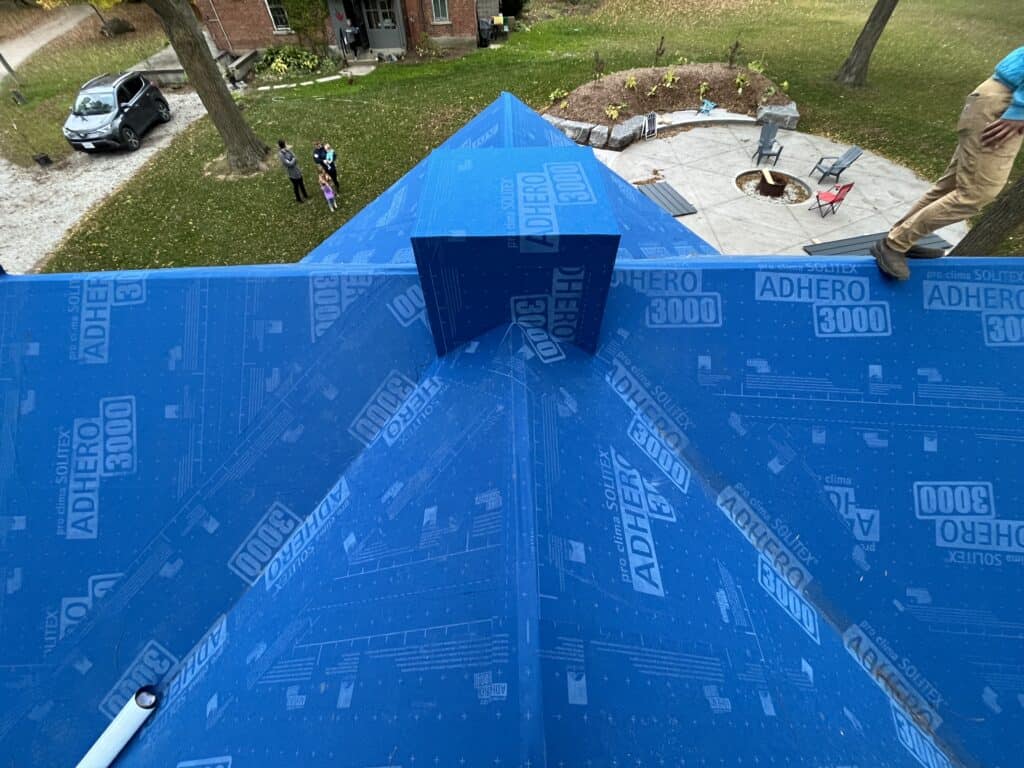
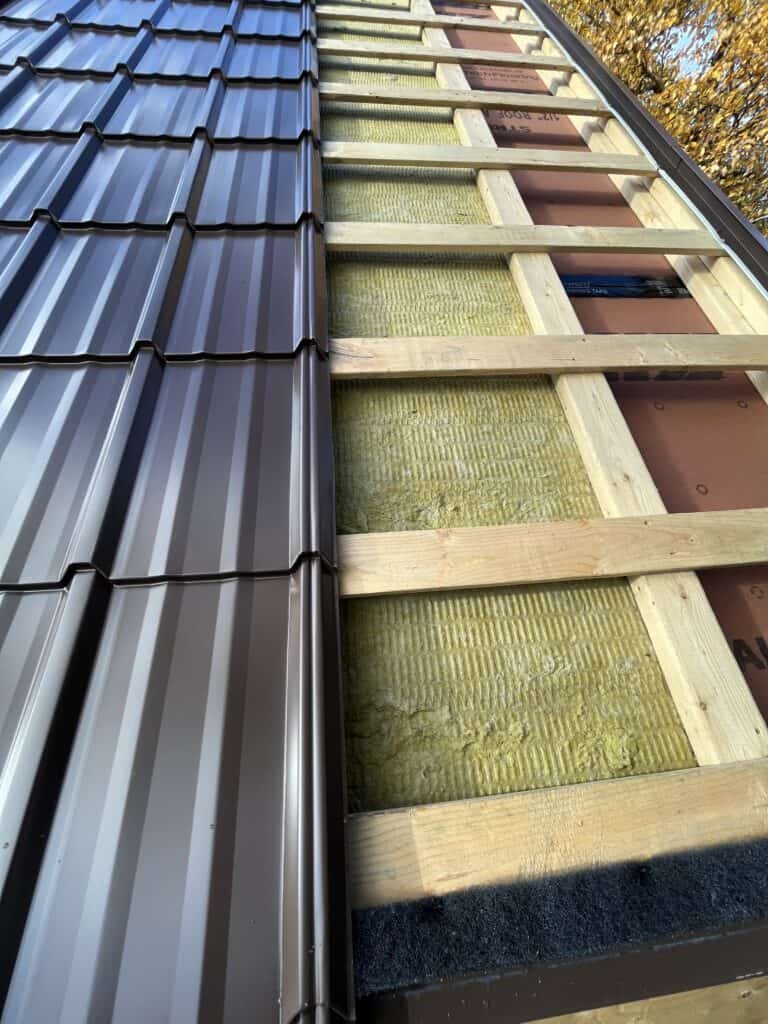
Water management is the primary risk, ventilation right behind it. On high-performance homes the layers may flip or combine to optimize air tightness — a well-built roof starts to resemble a well-built wall.
Wall systems
Most walls are built with good intentions and undone by execution — material choices and details that were never given the budget or understanding they need. A quality wall stops liquid and vapour from entering in either direction, while still letting the assembly dry.
Below grade
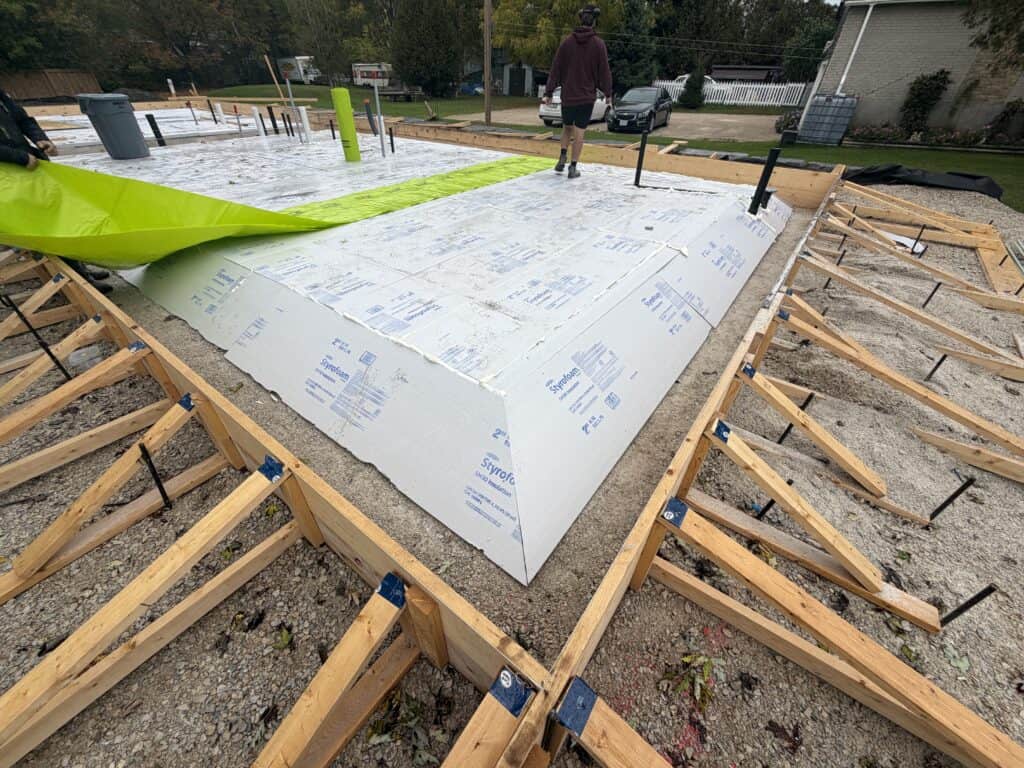
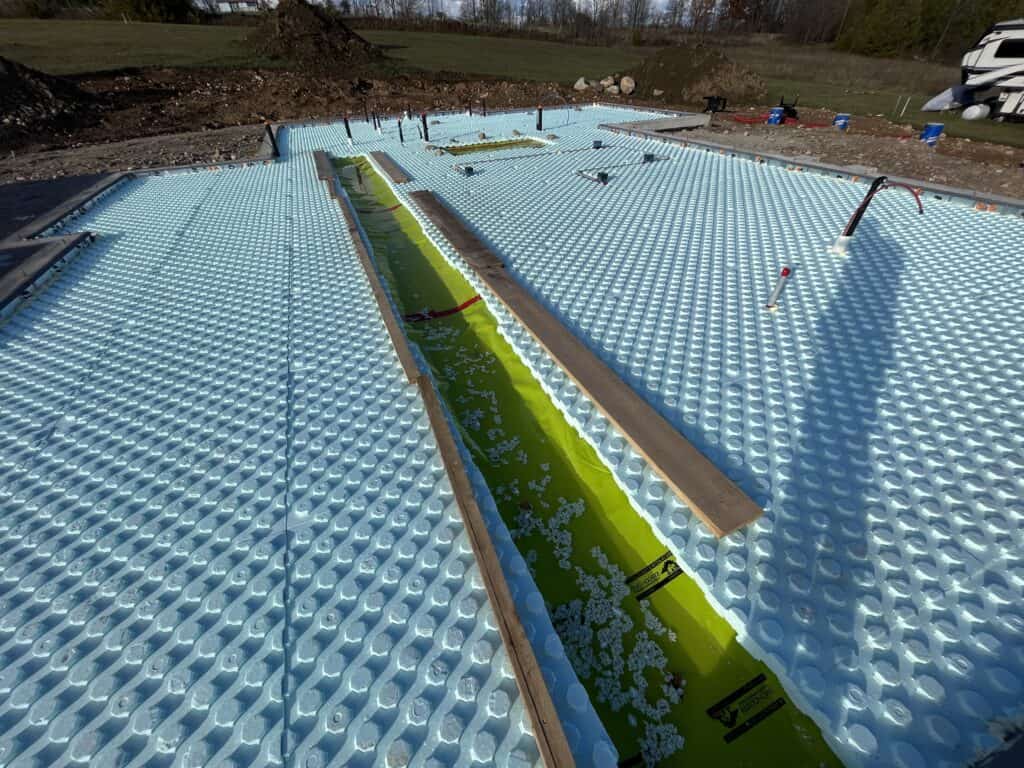
Underground, conditions barely change — so the system is designed uni-directionally: block liquid and vapour from getting in, and give anything that does exactly one way out, inward, where it can be managed.
Diagnose the system. Fix what matters most.
A building is one integrated system, not a pile of parts — so that’s how we assess it. The work only goes ahead when we’re confident the assembly will function as a system afterward.
Assess the whole
We look at the building as an integrated system — how air, water, vapour, and heat actually move through it — instead of quoting a symptom.
Find the root cause
The visible problem is rarely the real one. We trace drafts, damp, and heat loss back to the layer and location where they start, and design the solution around that.
Prioritize impact
Not everything is worth doing, and not everything is worth doing now. We rank the improvements by what they return in comfort, durability, and energy — and tell you straight what to skip.
Execute the details
Continuity is everything: the transitions, openings, and penetrations are where performance is won or lost. The work is done cleanly, methodically, and to the standard the materials deserve.
The counterintuitive core of moisture-aware building: an assembly has to shed the water that hits it and release the moisture that gets past it. Sealing a wall so tightly it can never dry is how you build a rot problem with premium materials. Every detail we design respects both directions.
Buried in the wall for decades. Chosen accordingly.
Membranes, tapes, and insulation disappear into the assembly and have to perform there for the life of the building — this is the wrong place for the cheapest option. These are the systems we specify and install.
Air & vapour membranes
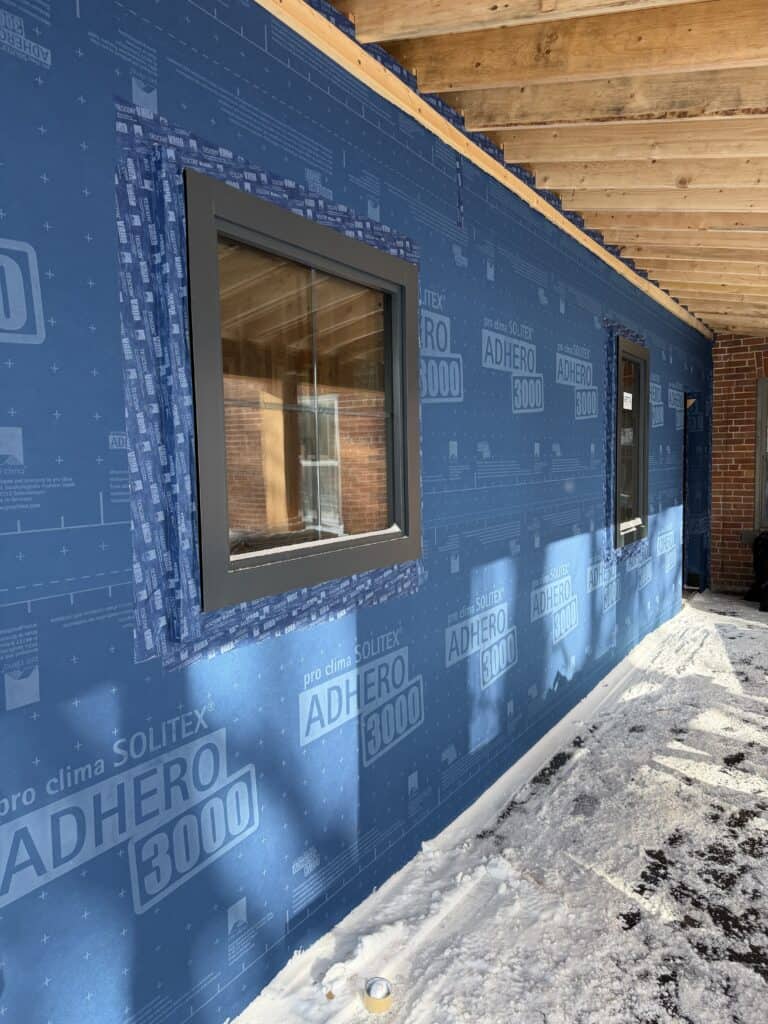
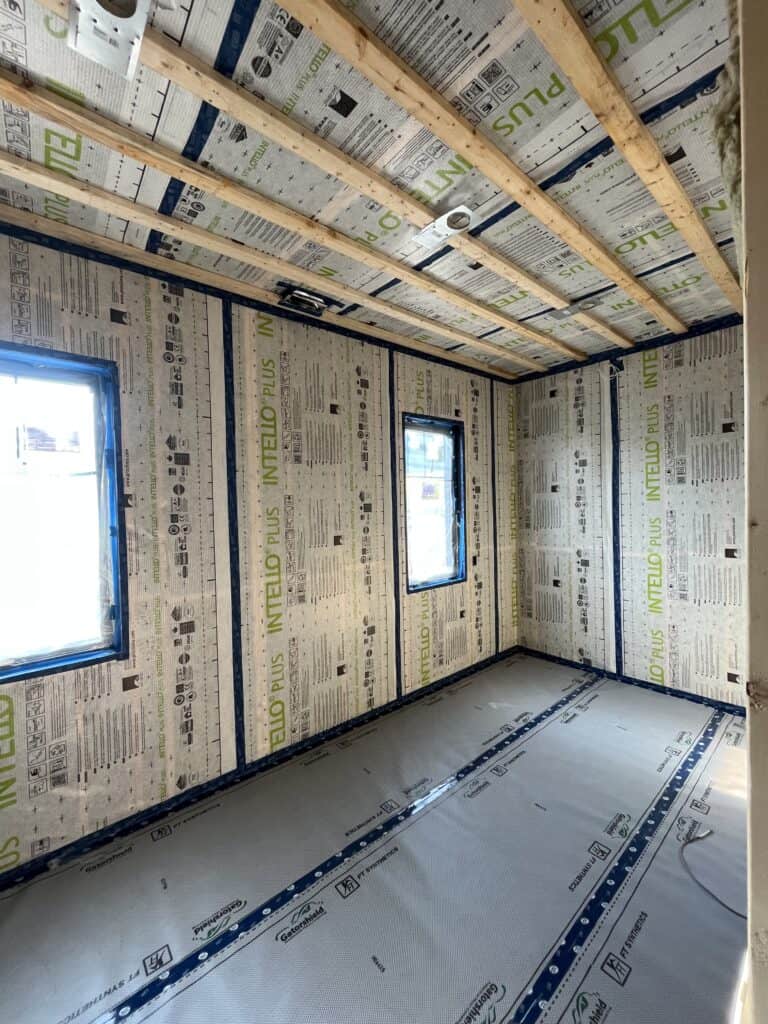
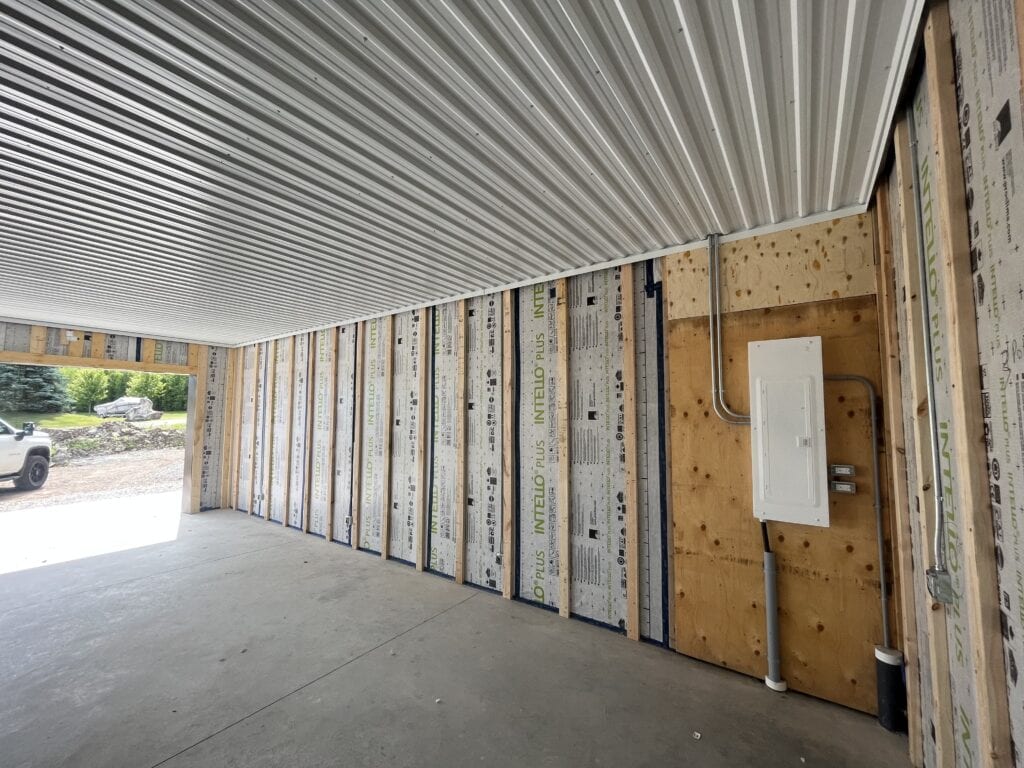
Intelligent membranes and tapes engineered to keep air where it belongs and let assemblies dry — the backbone of every airtightness detail we build.
Sheathing & below grade
Structural sheathing with integrated water and air control, and below-grade barriers built for constant ground contact.
Insulation
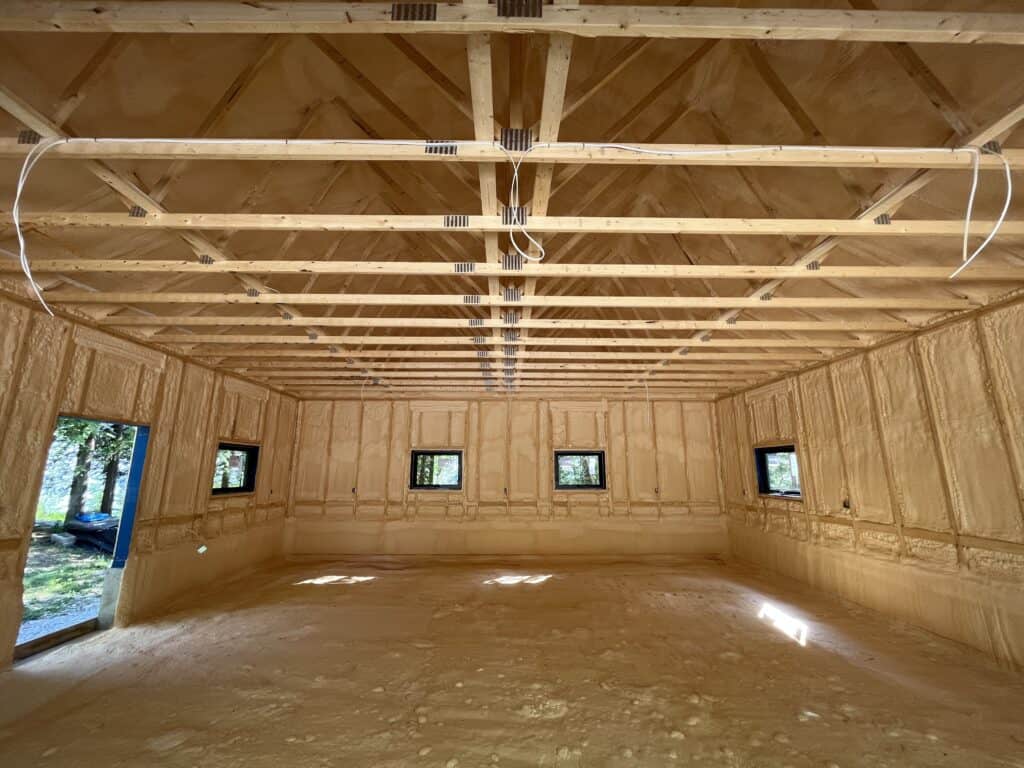
Thermal layers chosen for how they handle moisture, fire, and time — mineral wool, sheep’s wool, and hemp-based insulation where each makes sense.
The layers, before they disappear.
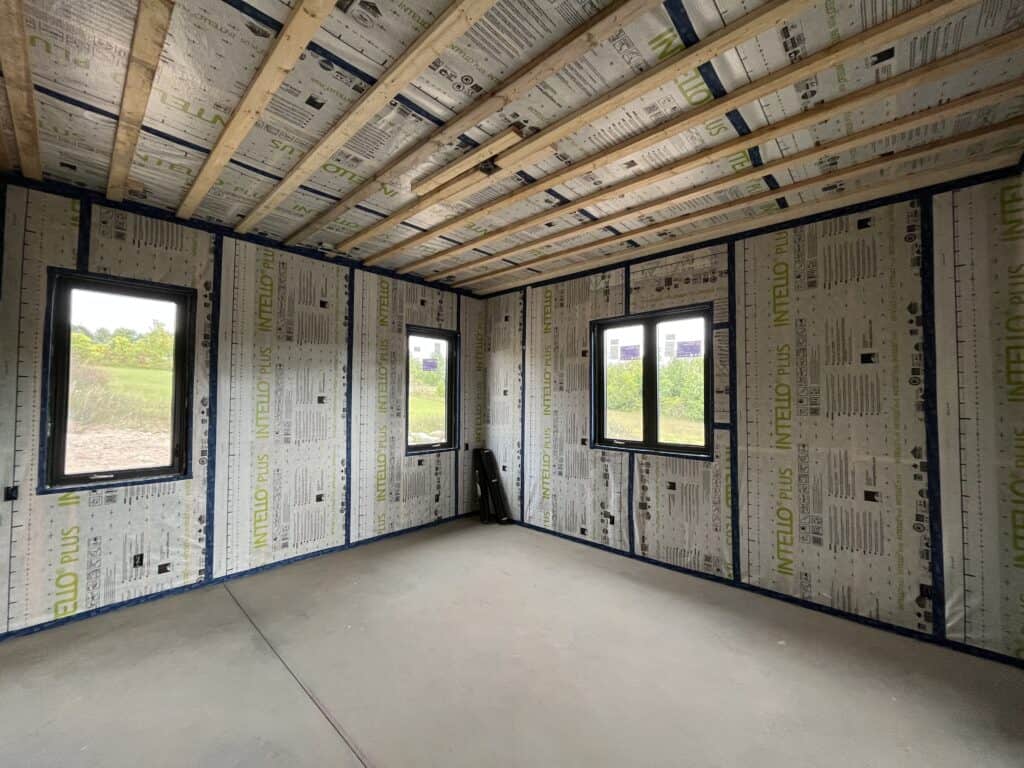
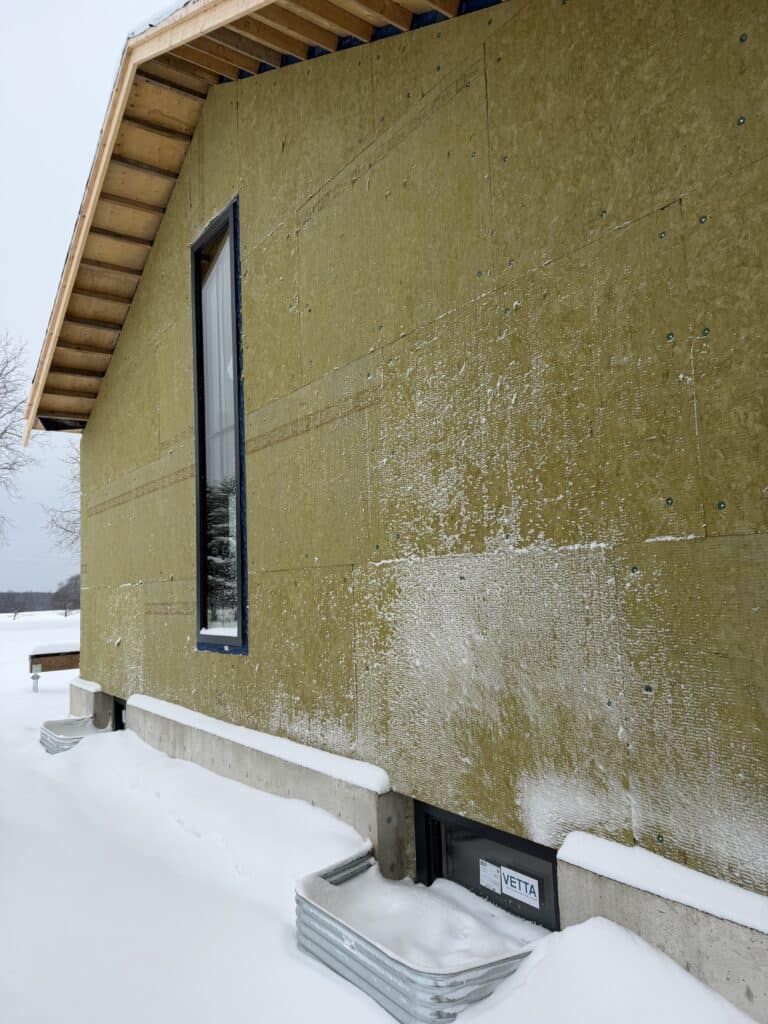
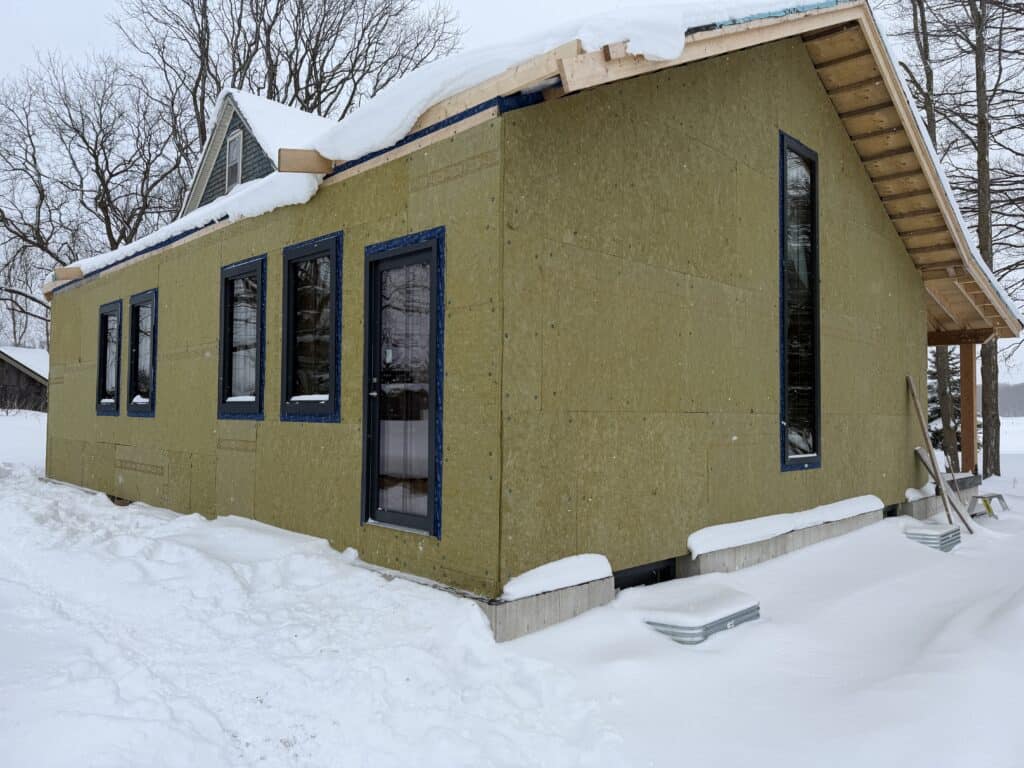
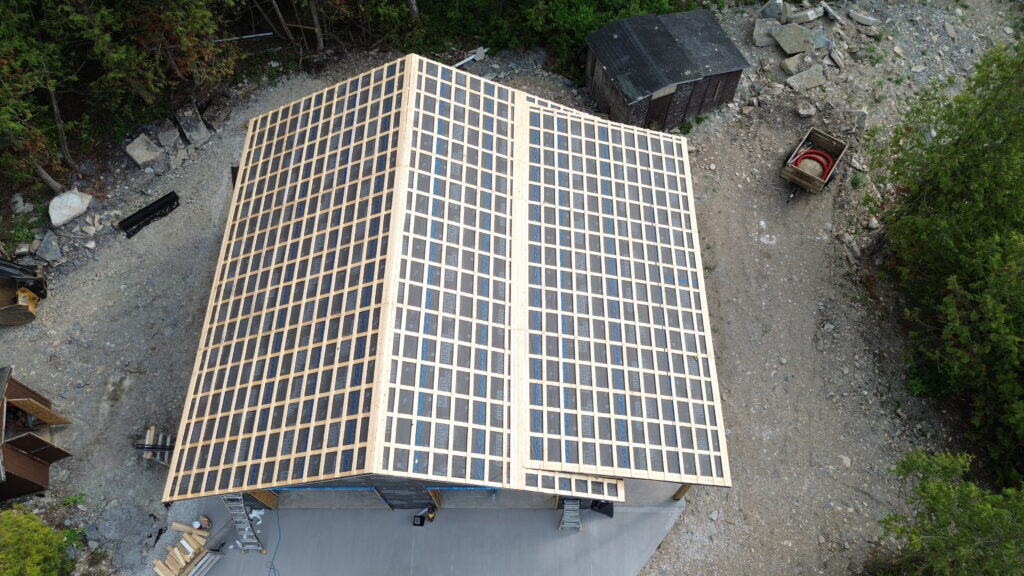
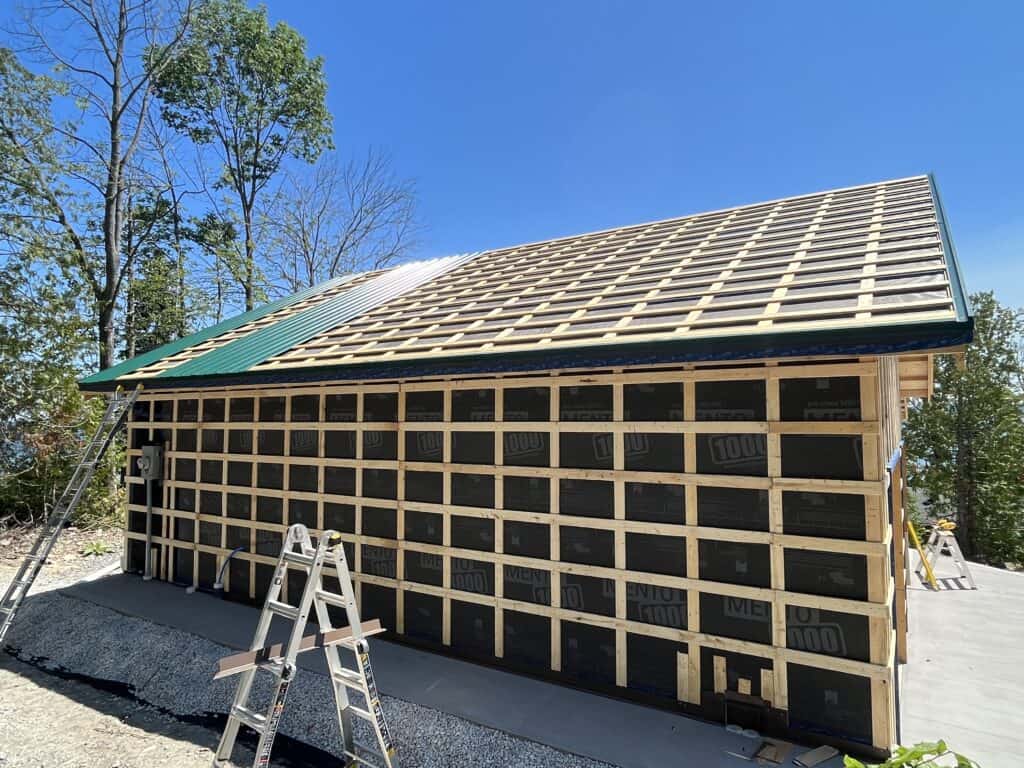
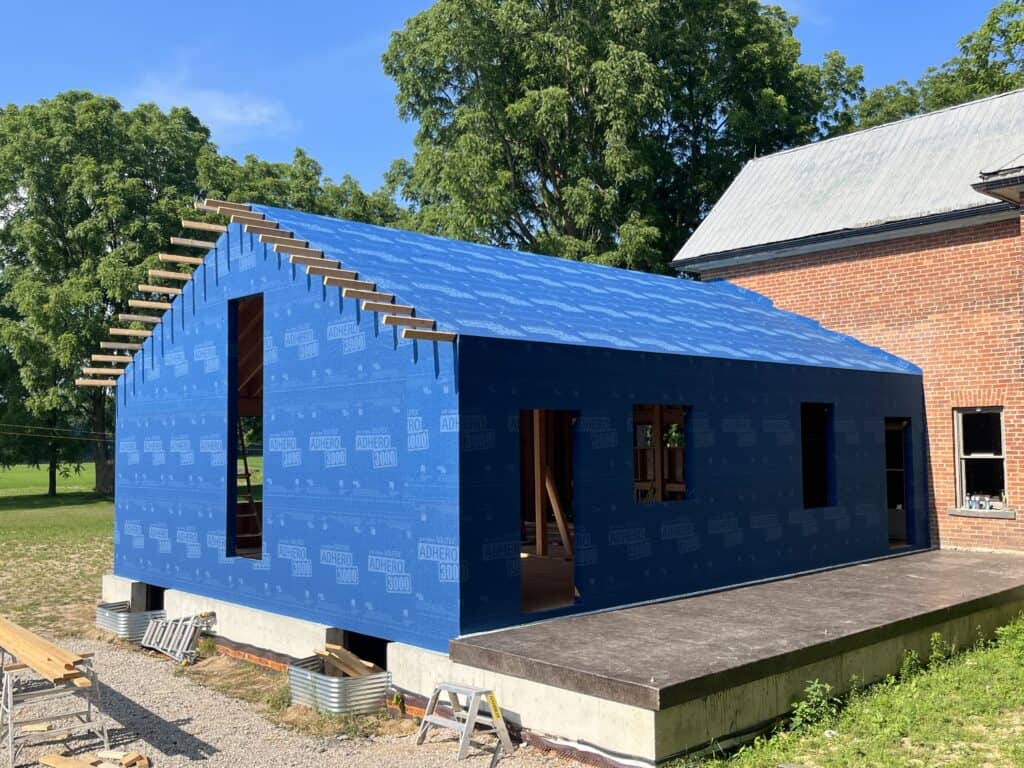
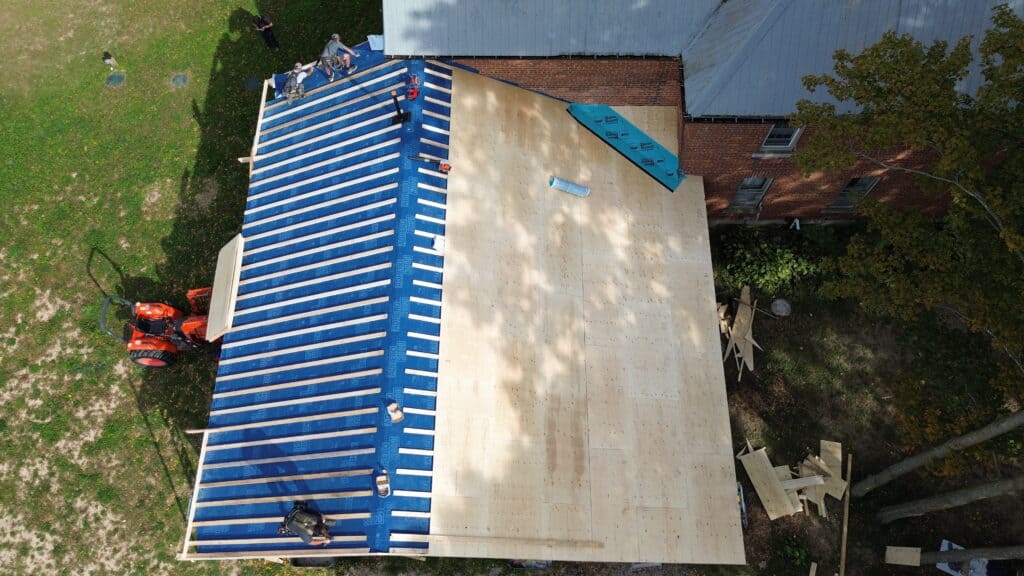
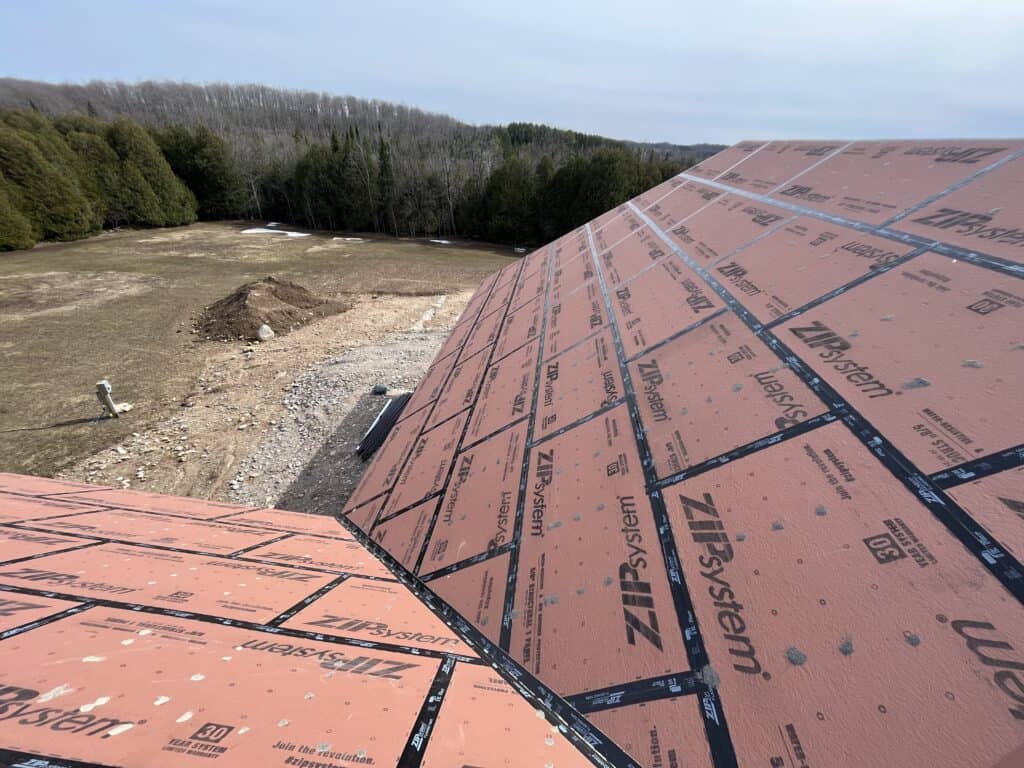
Membranes, taping, insulation, and detail work on real Grey-Bruce projects — the stage of the job you never see once the finishes go on. Click any photo to enlarge.
MORE ON THE PROJECTS PAGE →
Straight answers on building performance.
Q1Do I need a full renovation to fix this?+
Q2Can you help prioritize what matters most?+
Q3Will this actually reduce heating and cooling costs?+
Q4What’s the difference between the air barrier and the vapour barrier?+
Q5Where do most houses have problems?+
Q6Why be picky about membrane and insulation brands?+
Stop paying for
a leaky building.
Tell us what your house is doing — the drafts, the damp, the bills — and get a straight answer on what’s causing it and what’s worth fixing first.
OR CALL (519) 387-1597